
Choosing the best time to visit Galapagos is less about avoiding “bad weather” and more about selecting the specific wildlife spectacle you wish to witness from the bow of a cruiser. Unlike almost any other equatorial destination, the Galapagos Islands do not have an “off-season.” Instead, they offer a rotating gallery of natural wonders that shift with the currents.
For the discerning traveler, a Galapagos cruise with Via Natura isn’t just a holiday; it is a curated immersion into a world that feels prehistoric yet polished. Whether you are looking for the glass-calm waters of the warm season or the high-energy marine abundance of the cool season, timing your journey is the first step in crafting your transformative experience.
The Two Faces of Paradise: Understanding the Seasons
The archipelago is governed by two distinct seasons. While both offer exceptional wildlife encounters, the “vibe” of your trip will change depending on when you weigh anchor.
The Warm Season (December to May)
From December through May, the Galapagos takes on a quintessentially tropical character. The sky is a brilliant, piercing blue, punctuated by occasional, dramatic afternoon rain showers that keep the islands lush and emerald green. During this period, the air temperature hovers between 25°C and 30°C, and the water is at its warmest and clearest.
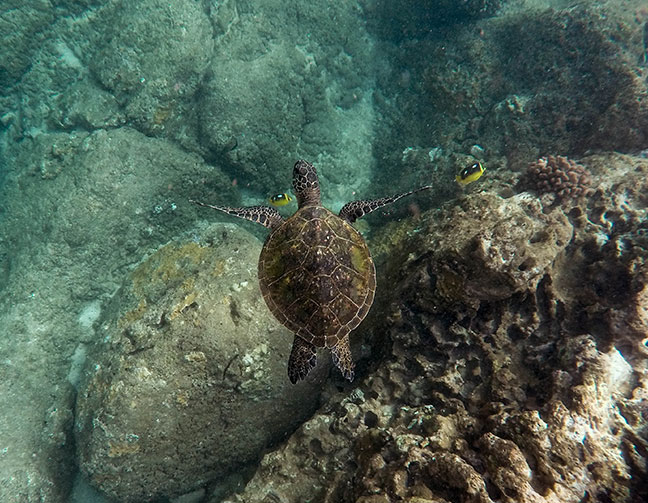
This is the best time to visit Galapagos if your priority is comfort and relaxation. The seas are at their calmest, making for smooth navigation between islands—a crucial factor for those who prefer a steady deck. Snorkeling during these months is an effortless joy, requiring no wetsuit as you glide over coral reefs teeming with colorful tropical fish and playful marine iguanas.
The Cool Season (June to November)
As the Humboldt Current arrives from the south, it brings nutrient-rich, cooler waters to the archipelago. This is the season of “Garúa”—a misty, ethereal fog that often blankets the highlands, creating a mysterious and atmospheric backdrop for photography.
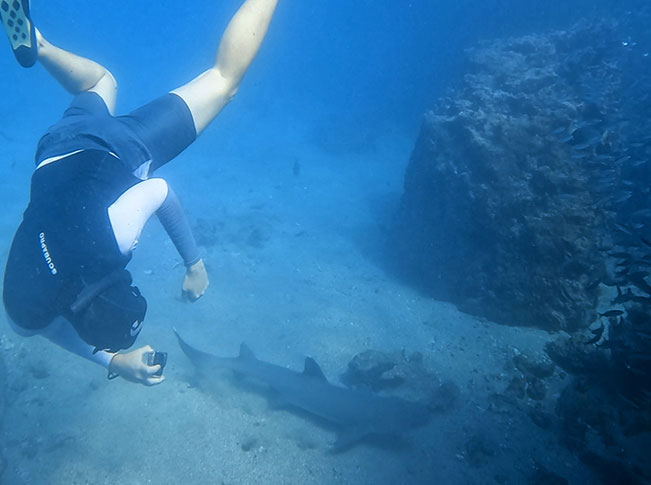
While the water temperatures dip to between 20°C and 23°C, the biological payoff is immense. The nutrient surge triggers a massive explosion of marine life. This is the best time for a Galapagos cruise if you are an avid snorkele. It is the only time of year when you can reliably encounter whale sharks near the northern islands and watch the sea lion colonies burst into life with newborn pups.
The Galapagos Wildlife Calendar: A Month-by-Month Masterclass
To truly understand the Galapagos weather by month and how it dictates the rhythm of the islands, one must look at the specific behaviors of the residents. Here is how the year unfolds through the lens of a expedition.
December
December brings the return of the clear blue skies. The giant tortoises begin their nesting season, and the islands prepare for the tropical bloom once again. Celebrating the holidays on a Galapagos cruise is the ultimate gift, offering a sophisticated alternative to the traditional winter getaway.
January
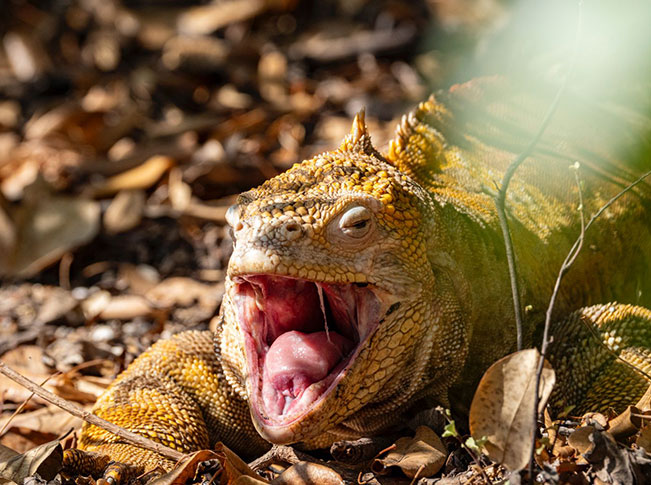
As the year opens, the islands are at their most vibrant. The land iguanas on Isabela Island begin their mating rituals, appearing like miniature dragons amidst the greening vegetation. For travelers, January offers the perfect balance of warm weather and the exciting start of the green sea turtle nesting season. It is a time of renewal, where every shore excursion feels like stepping into a brand-new world.
February
February is arguably the best month for those who love the water. The sea is exceptionally calm, and the clarity is world-class. On islands like Santa Cruz and Española, marine iguanas become strikingly colorful—donning shades of red and green to attract mates. It is a visual feast that is best enjoyed during a guided coastal walk before returning to the air-conditioned comfort of your vessel.
March
By March, the “wet” season is in full swing, but don’t let the name fool you. The rains are short-lived and serve only to cool the air. This is a magnificent time for birdwatchers. Frigatebirds, with their iconic red throat pouches, begin their elaborate displays. Watching these “pirates of the sky” from the observation deck of a yacht, cocktail in hand, is an experience that defines the lifestyle.
April: The Arrival of the Albatross
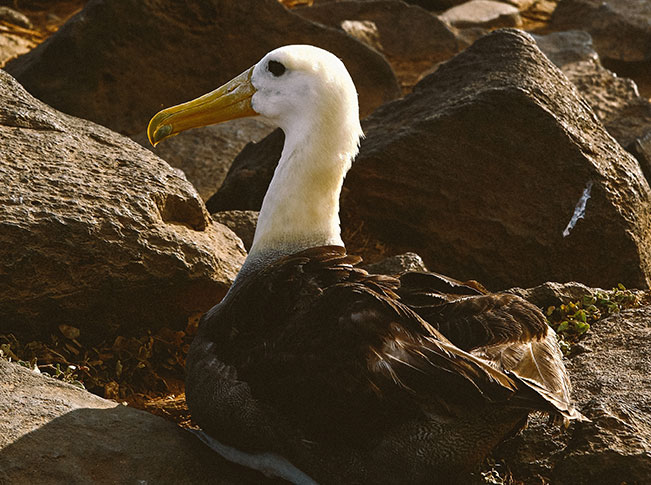
April marks one of the most significant events in the natural world: the return of the Waved Albatross to Española Island. These majestic birds, which spend most of their lives at sea, arrive to perform their clattering, sword-fight-like courtship dance. To witness this rare spectacle in person is a privilege few travelers ever experience, making April a high-demand month for Galapagos cruises.
May: The Dance of the Blue-Footed Boobies
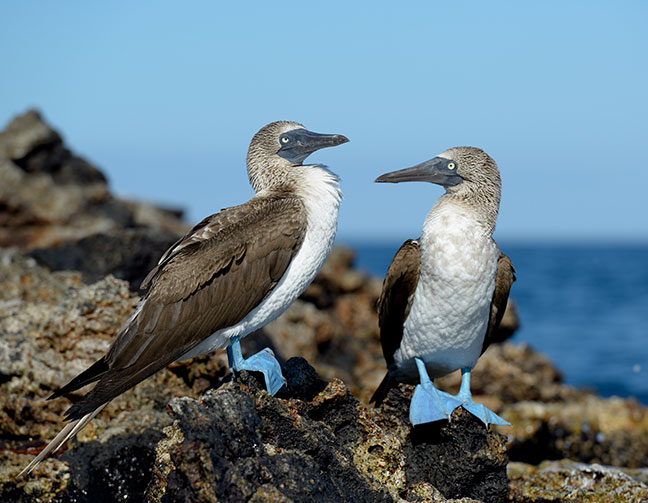
As the transition toward the cooler season begins, May offers the best of both worlds. The water is still warm, but the breezes are beginning to freshen. This is the peak of the Blue-footed Booby’s courtship dance. Their rhythmic “high-stepping” is both comical and captivating, providing endless entertainment during island landings.
June: The Ocean’s Transformation
June sees the arrival of the trade winds and the nutrient-rich currents. The islands begin to shift from green to a more volcanic grey and brown, but the sea comes alive. This is the start of the whale shark season in the far north. For those onboard a vessel capable of reaching these remote sites, June offers a sense of true frontier exploration.
July: The Season of the Flightless Cormorant
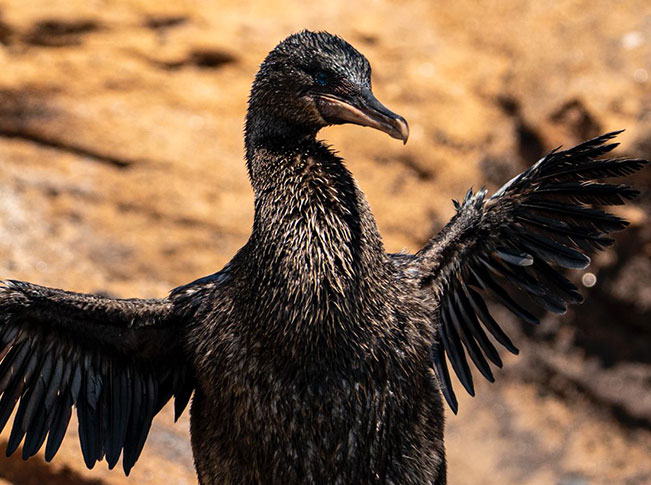
In July, the waters around Isabela and Fernandina islands become a hive of activity. This is the best time to spot the Galapagos Penguin and the Flightless Cormorant. The cooler water means these birds are highly active, hunting for fish right alongside snorkelers. The weather is invigorated and fresh, perfect for long hikes across the dramatic lava fields.
August: The Nursery on the Beach
If you are looking for “cute” wildlife, August is your month. This is the peak of the sea lion pupping season. The beaches are transformed into nurseries where curious pups often approach travelers (under the watchful eye of their mothers). The energy on the islands is palpable, and the cooler air makes the uphill treks to volcanic viewpoints incredibly pleasant.
September
September is the heart of the “Garúa” season. The mist creates a soft, diffused light that professional photographers crave. The marine life is at its most concentrated; you might find yourself snorkeling in a “soup” of tropical fish, sea turtles, and playful penguins. It is the most “wild” the Galapagos ever feels.
October
As the cool season continues, is a fantastic time to observe lava herons nesting. The islands feel quiet and exclusive during this time, allowing for an even more intimate connection with the environment—a hallmark of the Via Natura small-group experience.
November: The Great Transition
November is a “sweet spot” in the Galapagos calendar. The water begins to warm up again, but the marine abundance of the cool season remains. Sea lion pups are now old enough to be extremely playful in the water, making for some of the best snorkeling encounters of the year. It is a month of high activity and perfect “Goldilocks” weather.
Why the Vessel is the Destination
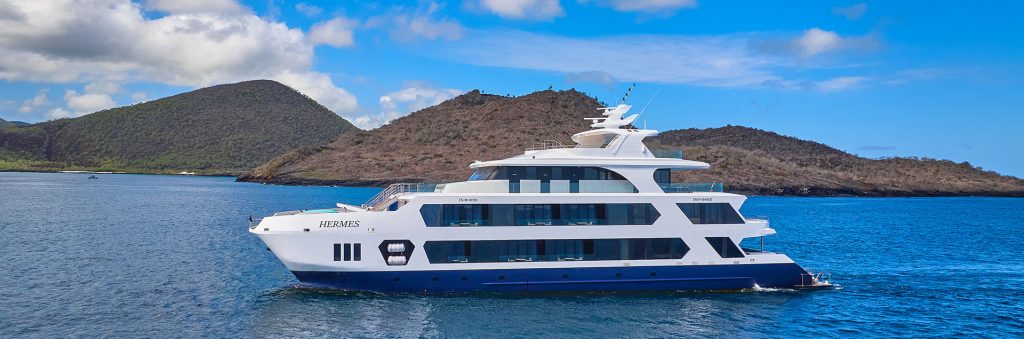
While the timing of your trip dictates what you see, the vessel dictates how you feel. Via Natura has spent over 30 years refining the art of the Galapagos expedition. In a landscape as rugged as this, our experience is the ultimate tool for immersion.
The Small-Group Advantage
In the Galapagos, size matters. Large ships are often restricted in where they can land and how long guests can stay ashore. Our cruises focuses on small-group intimacy. With a high crew-to-guest ratio and two expert guides who function more as private naturalists, your itinerary feels personalized.
Seamless Sophistication
From the moment you touch down in Ecuador, the experience is designed to be “seamless”—a word that defines our operational philosophy. We handle the logistical precision of National Park regulations and internal flights, so your only task is to step onto the deck and breathe in the salt air.
Iconic Destinations: Isabela and Genovesa
Regardless of when you visit, certain islands stand out as the crown jewels of the archipelago.
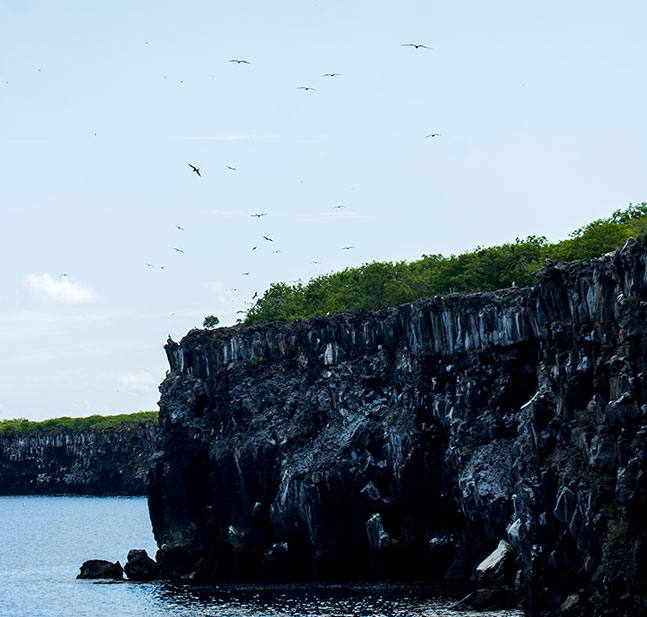
- Genovesa Island: Often called “Bird Island,” this collapsed caldera is a sanctuary for Frigatebirds and Red-footed Boobies. It is one of the most remote and pristine sites in the world, offering a sense of isolation that is deeply transformative.
- Isabela Island: The largest island in the chain, Isabela is a masterclass in geology. From its sprawling lava fields to its hidden mangrove lagoons, it offers a diverse range of activities, including kayaking and hiking, that showcase the raw power of the earth.
Your Journey Awaits
The best time to visit Galapagos is a deeply personal choice. Are you drawn to the sun-soaked clarity of the warm season or the wild, nutrient-rich energy of the cool season? Regardless of the month you choose, the archipelago promises a connection to the natural world that is both profound and permanent.
At Via Natura, we don’t just provide a cruise; we provide a passage into the extraordinary. Every itinerary is a carefully orchestrated symphony of comfort, discovery, and exclusivity.
Are you ready to discover the Galapagos in its most refined form?
Contact Us today to begin planning your bespoke journey and experience the transformative power of the islands for yourself.